
Begin with Eastern Kuku Yalanji Country
The Eastern Kuku Yalanji Aboriginal people are the Traditional Owners of Daintree National Park, known in its full designation as Daintree National Park (Cape York Peninsula Aboriginal Land). Country provides the starting point for understanding a visit here. The forest, river and coast are more than separate scenic stops, and the park asks visitors to respect Country throughout their time in the region.
A useful reading of Daintree history keeps several stories in view: continuing cultural connections, the colonial settlement at Daintree Village, changes in national park protection and the ancient evolutionary relationships of the forest. These stories use different kinds of dates and evidence. A national park declaration describes a legal change, while World Heritage inscription recognises a much wider natural region. Neither date marks the beginning of the landscape's human history.
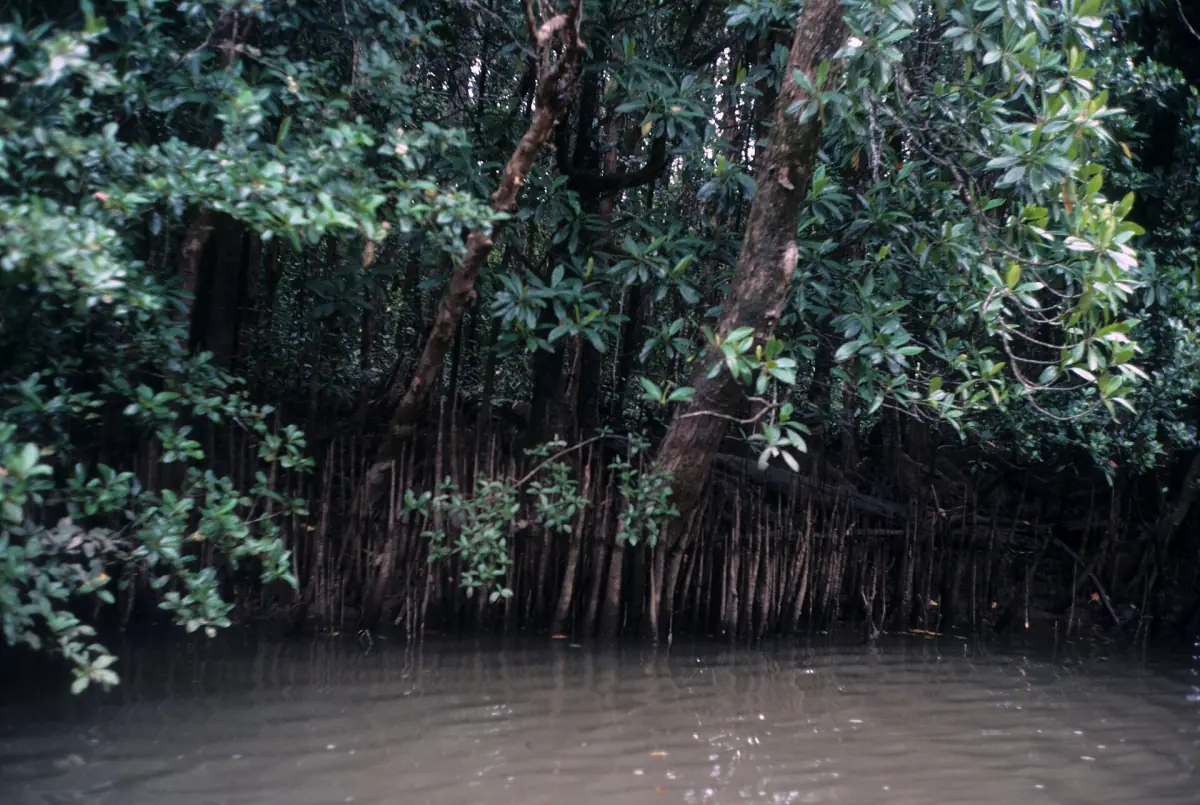
Living Country and joint management today
The national park is jointly managed by Jabalbina Yalanji Aboriginal Corporation and the Queensland Parks and Wildlife Service under an Indigenous Management Agreement, with cooperation involving the Wet Tropics Management Authority. Cultural custodianship therefore belongs in the account of the park's present as well as its past. Consider the national park guide alongside this history when choosing where to walk and how to organise your visit.
Respectful access has practical consequences. Remain on marked tracks, leave plants where they grow, take rubbish away and avoid damaging cultural sites or historic objects. Use designated visitor routes rather than treating an accessible stretch of forest as an invitation to explore every adjoining area. For cultural interpretation, a guided day with Traditional Custodians offers a way to listen to knowledge shared by the people leading the experience.
Our picks: cultural knowledge
Traditional Custodian guides share cultural knowledge on this day in the Daintree region.
Hand-picked tours, booked through GetYourGuide. Prices are indicative starting prices in Australian dollars (as of October 2026). Tap a tour for live availability and the current price in your currency.
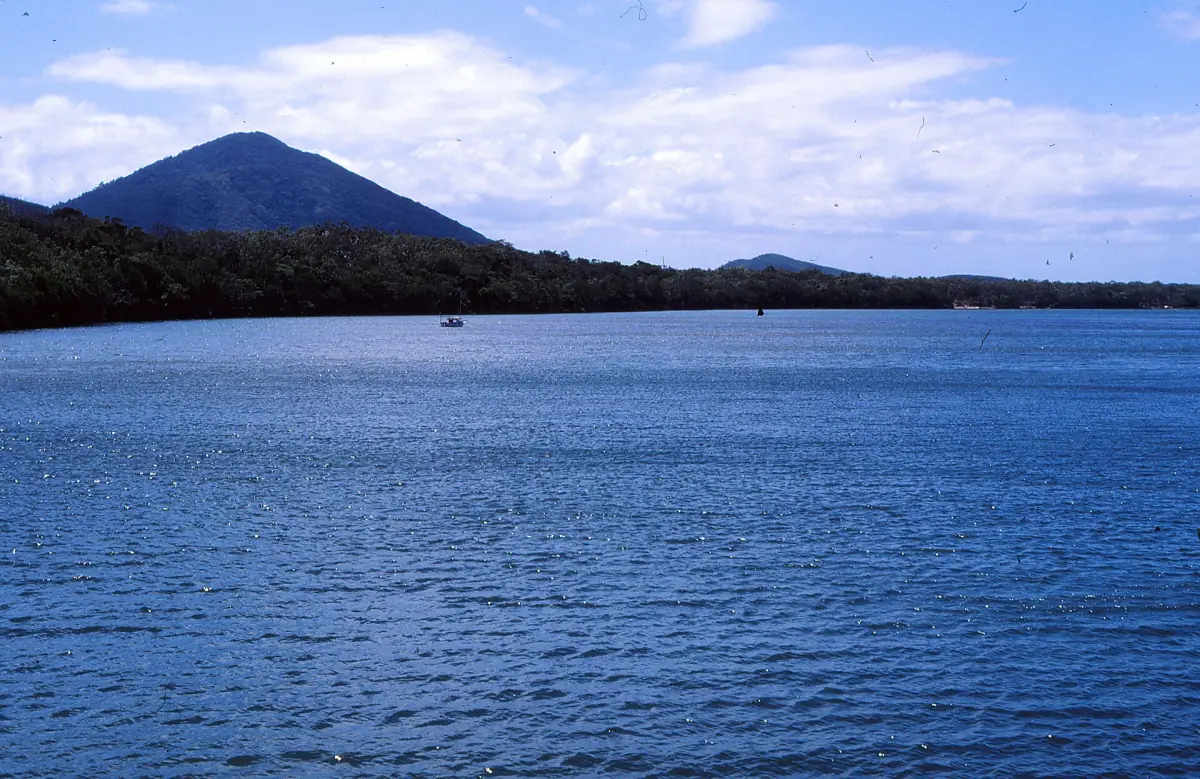
A cultural day through Daintree Country
Traditional Custodian guides lead this full-day Daintree and coastal programme, with Port Douglas hotel transfers, lunch on Country, snacks, site access fees and permits included.
Daintree Village and the later logging settlement
The colonial settlement story of Daintree Village dates to the 1870s, when it developed as a timber settlement associated with red cedar. This is a later chapter in the history of Country. Read it as the origin of the colonial village rather than the first human presence in the region. Keeping that distinction makes the village's timber history easier to place within the broader story.
Today the village provides a river setting, with wildlife cruises using the village jetty. A visit can combine interest in the settlement with time on the Daintree River, but the village and national park are different geographic references. So are a river cruise and the vehicle ferry used to reach the northern region. The river cruise page helps you plan the boat experience as its own part of the visit.
National park protection and World Heritage
Cape Tribulation National Park was declared in 1981. In 1995 it was incorporated into Daintree National Park. Between those dates, in 1988, UNESCO inscribed the Wet Tropics of Queensland on the World Heritage List. Daintree forms part of that larger World Heritage area. The three dates refer to different steps in protection and recognition, so they are most useful when attached to their specific events.
The Wet Tropics inscription recognises natural values including scenery, the history of life, ecological processes and biodiversity. It gives the forest a wider context than a single viewpoint or boardwalk. When planning a day at Cape Tribulation, allow time to notice the transition between the walking environments rather than only reaching the end of each path. The value of the visit lies in understanding the setting as well as seeing it.
Gondwana ancestry and the forest seen today
UNESCO describes remnants of Gondwana forests that covered Australia and parts of Antarctica 50 to 100 million years ago. This is a statement about ancient forest relationships and evolutionary history. Read it as ancestry rather than the age of every tree standing today. It helps explain why the region matters for understanding natural history without reducing a changing forest to one birthday.
Carry that distinction into a walk: the living forest is the place to explore those long relationships, while the park dates describe the more recent framework of protection. Stay with marked routes and leave plants and objects undisturbed. If cultural interpretation is your priority, the featured guided day includes the Daintree, Whyanbeel Valley, Cooya Beach and Rocky Point as parts of a broader programme. Its lunch, transport and guiding make it a different choice from walking a public boardwalk independently.
History questions
Who are the Traditional Owners?
The Eastern Kuku Yalanji Aboriginal people are the Traditional Owners named by the park administration.
When did Daintree become World Heritage?
Daintree belongs to the Wet Tropics of Queensland, inscribed in 1988. It forms part of that larger World Heritage area.
What happened in 1981 and 1995?
Cape Tribulation National Park was declared in 1981 and incorporated into Daintree National Park in 1995.
What does the cultural day include?
Traditional Custodian guiding, Port Douglas hotel pick-up and drop-off, lunch on Country, snacks, site access fees and permits, and air-conditioned transport are included.